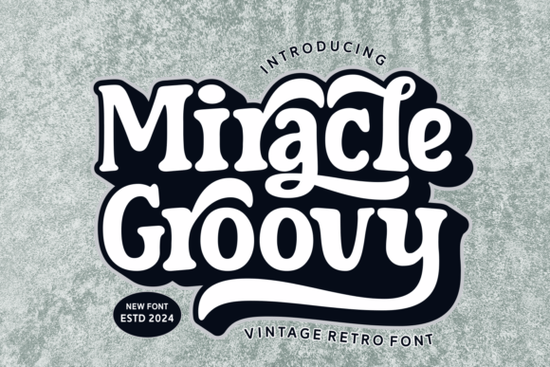
If you are looking for a reliable way to add authentic seventies flair to your current projects, Miracle Groovy Font delivers exactly that without requiring expensive design software. This display typeface captures the rounded, flowing shapes of the era while staying clean enough for modern manufacturing workflows. Whether you are setting up files for a heat press, preparing sublimation blanks, or cutting sticker sheets, the letterforms are structured to hold their shape under stress. The characters feature smooth curves and consistent thickness, which means they survive scaling down for mug labels or stretching up for banner prints without losing readability.
How does this lettering style handle automated cutting machines?
Vinyl plotters and digital fabric printers perform best when the source files contain well-defined curves and minimal sharp intersections. Because these glyphs were drawn with a craft-focused mindset, they export cleanly into vector paths that cut machines recognize immediately. Many creators cross-reference this vintage script collection alongside their usual templates to streamline bulk order preparation. You will notice fewer alignment errors when sending designs to your plotter, since the spacing accounts for standard blade tolerances. Testing the bleed settings first will save material and keep your turnaround times short.
Which merchandise categories benefit most from this aesthetic?
Retro-inspired typography performs exceptionally well on wearable goods, home decor accents, and printed paper products. Small business owners frequently place these curved characters across the chest area of cotton tees, tote bags, and embroidered caps because the shapes naturally guide the eye along the garment’s seams. The same layout works smoothly for custom party signage or wedding invitations where a handcrafted feel matters more than rigid grid formatting. When designing for youth-oriented apparel lines, pairing thicker weights with minimalist line art creates a balanced composition that stays legible from a distance.
Can you modify the kerning for different product dimensions?
Adjusting character spacing is straightforward once the text is converted to outlines or placed in your preferred editing tool. Start by checking the gaps between rounded pairs like o and c, then tighten the negative space slightly to prevent visual floating. For narrow items like phone cases or keychains, reducing the overall width keeps the message centered without clipping at the edges. Broader surfaces like wall tapestries or vehicle decals often benefit from increased tracking, which gives the design room to breathe. Testing both tight and loose spacing on actual material samples usually reveals the optimal balance before you commit to full production runs.
What file types should you save for multi-platform sales?
Keeping your master files organized across multiple formats ensures compatibility with different storefronts and printing partners. Export high-resolution PNG files with transparent backgrounds for immediate listing photos, and save the original vector files for direct upload to crafting platforms. Some marketplaces prefer OTF or TTF packages so buyers can edit text fields themselves, while others only accept closed-path SVG files for instant download bundles. Maintaining separate folders for print-ready PDFs, web-optimized JPEGs, and editable source documents prevents version confusion later. You can also explore other nostalgic typeface options to diversify your seasonal catalog without reworking entire layouts.
How do you pair this typeface with supporting graphics?
Simplicity wins when combining decorative lettering with illustrative elements. Thin geometric borders, hand-drawn floral motifs, or subtle grain textures complement the curved baseline without competing for attention. Place bold graphic accents behind the wordmark to create depth, or use them as framing devices for event posters and workshop flyers. When working with bold extruded lettering styles, shifting the background color to a muted tone helps the primary text pop while maintaining readability. Always test contrast ratios before finalizing artwork, especially if your target audience includes readers with mild vision differences. For additional reference on industry standards, consult the Groovy Retro Display documentation.
- Verify machine pressure and speed settings against your specific material guidelines before full production.
- Run a single test cut on scrap vinyl to check edge cleanliness and alignment accuracy.
- Confirm mirror image activation for all heat transfer and reverse-cut applications.
- Save final exports in SVG, PNG, and TTF formats to cover all buyer preferences.
- Label project folders with dates and material types to prevent version mixing during busy seasons.
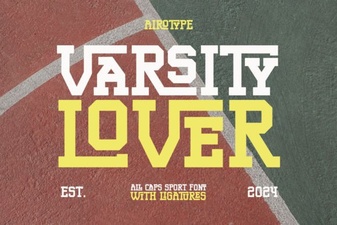 Unlock Your Creativity with the Varsity Lover Font
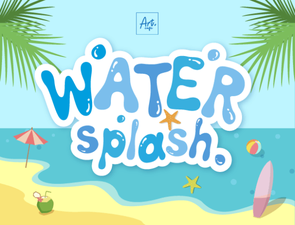 Creative Typography with Water Splash Font Effects
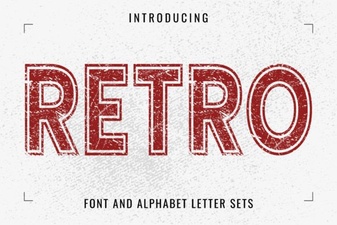 Reviving Retro Fonts for Modern Web Design
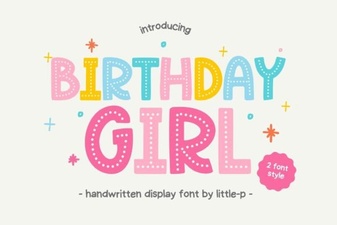 Creative Fonts for Birthday Girl Projects
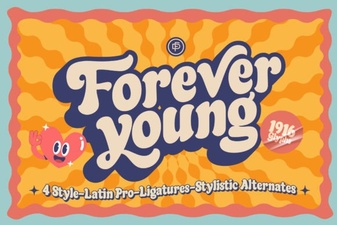 Forever Young Font for Creative Projects and Design
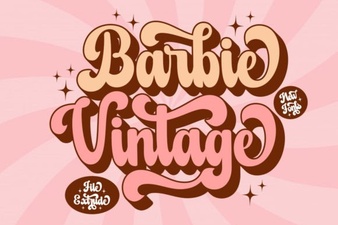 Mastering Retro Fonts: Barbie Extrude Design Projects