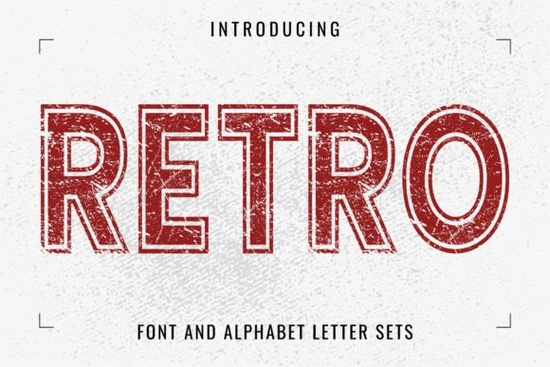
If you need a typeface that adds instant character without cluttering your layout, Retro Font delivers a weathered, vintage silhouette that reads clearly at various scales. Designed for creators wanting a worn-in look on apparel tags, website banners, and craft labels, it includes alternate glyphs and open spacing to maintain legibility. The grunge-distressed texture gives each letterform a handcrafted feel, which works smoothly against minimal backgrounds.
Why does this style work for modern branding and craft projects?
Vintage lettering appeals to small businesses and print-on-demand sellers because it conveys authenticity without feeling outdated. Within the {category} niche, this approach has gained steady traction as makers shift away from overly polished visuals. The heavy structures balance the rough edges, keeping the type stable on screen while delivering an aged, tactile vibe. Used correctly, it grounds a composition and highlights your core message without fighting with photography.
What kinds of projects actually look better with it?
This font performs best on high-contrast layouts and restricted color palettes. Screen-printed tees, embroidered patches, and storefront signage handle the distressed strokes well against fabric and matte finishes. Digital creators also use it for newsletter headers and social quote cards where a single striking line anchors the frame. If you frequently experiment with mid-century scripts, you can find lighter accents by exploring a collection focused on playful groove lettering. Campaigns needing bolder treatment often pair well with a fluid ink-blot display set for seasonal contrast.
How do I pair it so the design stays readable?
Let textured display type take the lead while supporting elements stay simple. Pair it with clean sans-serifs for body copy, and reserve the font for headlines and logos. Provide ample breathing room, and never stack multiple decorative fonts on one canvas. When building brand kits, balance distressed styles with plain weights and neutral tones to prevent visual fatigue. Classic elegance benefits from testing a refined classic timeless typeface for cleaner hierarchy. Sport-themed merchandise relies on blocky structures, and reviewing a structured athletic collegiate alphabet helps maintain consistent weight across products.
Which files and formats support my workflow?
Standard packages include desktop formats and web-ready variants for broad compatibility. Expect OpenType and TrueType files for design software, plus vector outlines for precise editing. Web teams need WOFF versions for fast loading, while crafters use exported sheets for vinyl cutters and laser engravers. Always confirm licensing matches your sales volume before deploying files commercially. For additional texture-based options, browse the expanded Retro Font directory on Creative Fabrica.
When should I choose a cleaner alternative instead?
Distressed lettering adds warmth, but visibility suffers when layered over busy imagery. Fine sizes become illegible quickly, so avoid it for legal text, navigation menus, or accessibility-critical content. Corporate identities and tech brands typically prefer untextured geometrics for sharper presentation. Reserve heavy grit for primary headlines, then keep supporting text crisp and highly legible.
What steps guarantee strong print or web output?
File preparation prevents mismatched expectations between screen and final product. Verify bleed margins and minimum stroke width before pressing, since thin distressed segments risk tearing during manufacturing. On websites, define robust fallback stacks and load the font async to avoid layout jumps. Test colors in grayscale to confirm contrast, adjust tracking if characters feel crowded, and export a proof PDF to manually check kerning pairs before final approval.
Quick setup checklist for your next project
- Limit layouts to two font families maximum
- Keep digital headlines above 36 pixels for clarity
- Place distressed text over solid or lightly mottled backgrounds
- Export print files at 300 DPI with proper color separation
- Match license tiers to your expected distribution scale
Start with a concise slogan, preview the spacing at actual size, and refine only after passing a quick readability test. Control your supporting graphics, track characters consistently, and your vintage-style assets will remain professional and production-ready.
Try It Free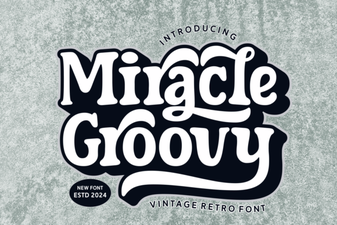 Miracle Groovy Font for Creative Design Projects
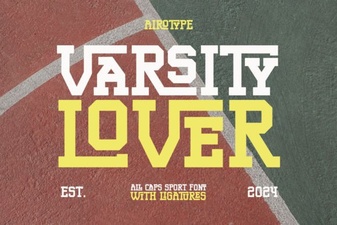 Unlock Your Creativity with the Varsity Lover Font
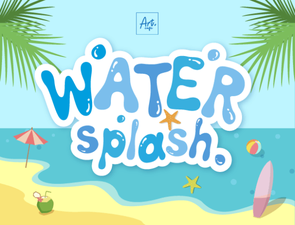 Creative Typography with Water Splash Font Effects
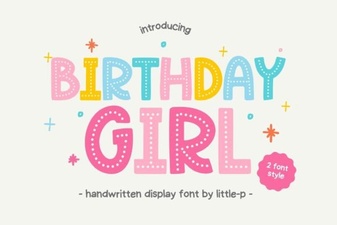 Creative Fonts for Birthday Girl Projects
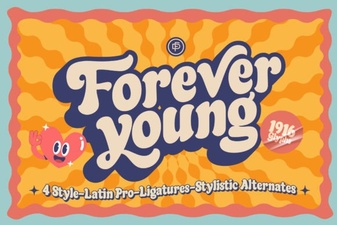 Forever Young Font for Creative Projects and Design
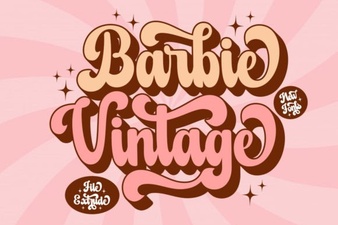 Mastering Retro Fonts: Barbie Extrude Design Projects