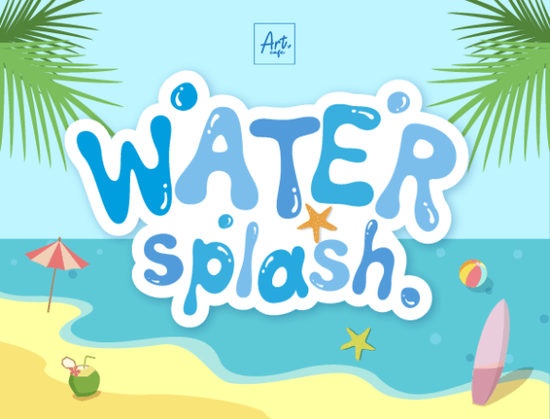
If you are crafting custom apparel, printable party decor, or branding materials for a wellness brand, you already know that typography sets the mood before anyone reads the actual message. For projects that lean into refreshment, coastal vibes, or festival energy, you need lettering that feels fluid without sacrificing readability. That is where Water Splash Font comes in. This typeface captures the movement of ocean swells and the calm clarity of poolside moments, making it a reliable tool for crafters and small business owners who want instant visual impact.
What design applications actually benefit from this style?
You will find immediate uses for this lettering in drink menus, summer sale graphics, yoga studio flyers, and children’s birthday invitations. Because the glyph shapes carry visible texture and organic curves, they pair well with simple layouts without overwhelming supporting elements. Print-on-demand sellers often choose these styles for tote bags, enamel pins, and sublimation transfers since the rounded edges translate cleanly to fabric and hard substrates. When testing proofs on mockups, watch how the baseline holds up; the downward strokes maintain weight even at smaller sizes, which keeps pricing tiers and event details legible.
How do you balance wet-looking letters with other layout elements?
Start by anchoring the composition with clean geometric shapes or solid color blocks. The typeface carries enough personality to stand alone, but adding a subtle background layer or light drop shadow gives it breathing room. Pairing this display face with a straightforward sans-serif creates hierarchy, letting headlines draw attention while body copy stays functional. Many creators also mix these curved characters with hand-drawn line art or botanical illustrations to reinforce a nature-forward theme. If your workflow involves rapid batch production, save the character map as a PNG sheet so you can drag and drop individual letters into Canva, Illustrator, or Procreate without hunting through menus.
Which other seasonal styles complement this aquatic look?
Exploring adjacent typefaces helps you build consistent collections for clients or personal storefronts. For retro-inspired layouts that still feel fresh, browsing a vintage swing style typeface gives you contrasting rhythm without breaking cohesion. Summer campaigns often rely on bright, stretched letterforms, so checking out a playful extruded option lets you cover neon signage trends alongside softer water motifs. If you need academic touches, switching to a classic collegiate script works well for team merchandise. Finally, pairing those ideas with a festive celebratory typeface bridges the gap between seasonal promotions and milestone parties. Adding an external reference like Water Splash Font opens a broader search results page where you can compare pricing bundles and file formats side by side.
File compatibility matters when moving between desktop and mobile design platforms. Before downloading, verify that the package includes OpenType and TrueType variations, along with basic kerning pairs. Some vendors ship heavily stylized display cuts without spacing guides, which forces manual adjustments during export. Testing the glyph set at thirty points versus six hundred points reveals whether the stroke modulation holds up or collapses into muddy pixels. Keep a backup folder organized by theme so future projects skip the research phase entirely.
What technical steps prevent distortion during mass production?
Scaling vector text too far past its intended size introduces jagged edges, especially on heat transfer vinyl or direct-to-garment machines. Convert outlines only after finalizing alignment, and flatten any drop shadows before sending files to cutting plotters. If your orders involve multi-color prints, separate each font layer into distinct transparent PNGs rather than merging them onto a single canvas. This approach reduces ink waste and avoids unintended color blending during screen printing. Always run a test swipe on scrap material first.
How do you measure success once the designs launch?
Track conversion rates by comparing performance across your main sales channels. Products featuring fluid, hand-crafted typography consistently see higher click-through rates because the letters imply movement before shoppers read descriptions. Gather feedback by asking buyers which colors matched their original vision, then adjust palette suggestions in future listings accordingly. Keep these metrics in view:
- Monitor ad spend versus actual profit margins weekly.
- Note which backgrounds cause the thinnest strokes to disappear on dark fabrics.
- Save top-performing mockup templates for rapid reuse.
- Archive customer photos showing real-world application.
Practical next step: Before publishing your first batch, preview your files at fifty percent scale to catch spacing gaps, verify that special characters render correctly on mobile screens, and confirm your license covers commercial resale. Export a compressed PDF proof for client approval, then archive the editable source files in a clearly labeled cloud folder. Test one order through your full fulfillment pipeline to catch hidden bottlenecks early.
Download Now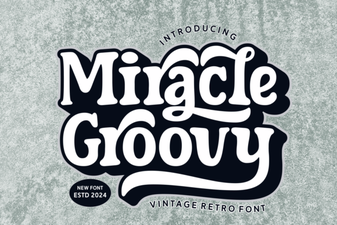 Miracle Groovy Font for Creative Design Projects
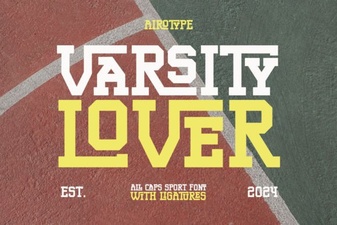 Unlock Your Creativity with the Varsity Lover Font
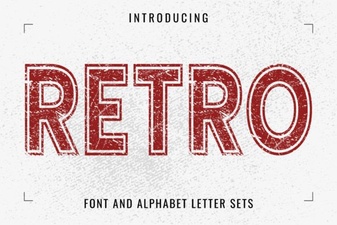 Reviving Retro Fonts for Modern Web Design
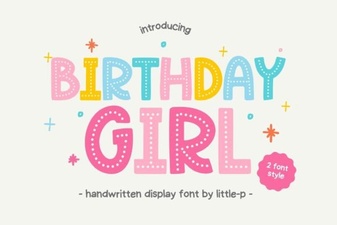 Creative Fonts for Birthday Girl Projects
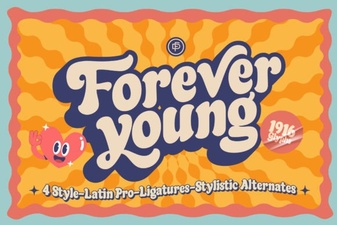 Forever Young Font for Creative Projects and Design
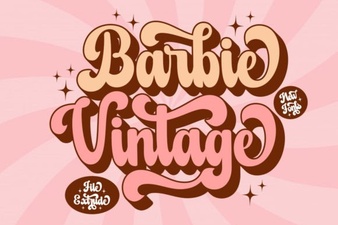 Mastering Retro Fonts: Barbie Extrude Design Projects