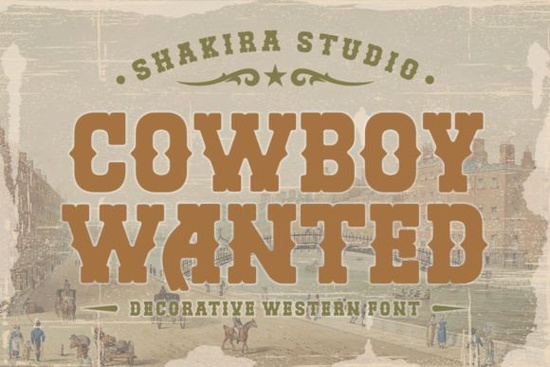
When designing anything that needs a clear, unapologetic frontier vibe, picking the right lettering style matters more than most creators realize. The Cowboy Wanted Font delivers exactly what you need without leaning into tired cartoonish stereotypes. It combines classic western structure with modern readability, so your projects stay sharp whether they are printed on business cards or scaled up for large-format banners. If you regularly work on rustic branding, seasonal merchandise, or themed party graphics, having a reliable typeface in your toolkit saves hours of tweaking and guessing.
Why do Western-themed projects often struggle with typography?
The biggest hurdle when working with cowboy or frontier aesthetics is avoiding the overly decorative look that signals amateur execution. Many free options rely too heavily on ornate flourishes, uneven spacing, or thick strokes that disappear at smaller sizes. Good western design still needs to communicate quickly. That is where a well-balanced retro serif comes in. The sweeping curves and deliberate line weights give you instant atmosphere while keeping kerning predictable. You can pair it with simpler sans serifs for body text without creating visual noise. For creators who want to mix styles but keep everything cohesive, checking out curated collections like decorative type collections often reveals how different stylistic approaches share the same foundational rules.
What makes a retro serif font feel authentic rather than cliché?
Authenticity comes from restraint. A true western typeface borrows from historical woodtype and wanted poster lettering, but it removes the clutter that made those originals hard to read. Look for characters with slightly weathered edges, consistent x-heights, and serifs that feel carved rather than painted. The design also leaves enough negative space around wide capitals like C, O, and R so they do not blur when printed on textured papers or vinyl stickers. While this style leans heavily into Americana, the same attention to proportion applies across other genres. Designers who frequently switch between themes often keep seasonal and cultural type options nearby to maintain a disciplined workflow without losing creative variety.
How can creators actually apply this typeface in their work?
You will find immediate use cases in logo design, especially for breweries, outdoor gear shops, and local restaurants that want a grounded identity. Print-on-demand sellers typically run these letters on mugs, bandanas, and wooden signs because the stroke weight handles heat transfer and screen printing cleanly. Event planners use them for saloon nights, county fair announcements, and reunion flyers since the layout guides visitors through dates and locations without feeling crowded. The versatility extends to digital assets too, such as social media templates, podcast cover art, or printable coloring sheets. Before you start placing text, make sure you have the correct license tier for your production volume. You can preview all available weights and variants by visiting the official listing for Cowboy Wanted.
Which technical details should you verify before installing?
Most modern design workflows require multiple formats depending on your software and output method. Ensure your download includes both TrueType and OpenType outlines so Adobe, Affinity, and Corel users can work interchangeably. If you plan to cut vinyl or use a die-cut machine, check for clean vector paths and aligned beziers. Test the full character set at actual project sizes before committing to bulk orders, since some decorative fonts hide rare glyphs behind placeholder squares. Keeping your library organized with consistent naming conventions prevents version mismatches later. Once you finish setting up your workspace, review this specific page to compare alternative western lettering choices and confirm which variant matches your current brief best.
What steps guarantee professional results from start to finish?
Start by sketching your layout on paper or in a low-fidelity wireframe tool. Lock your hierarchy so headlines carry the weight, subheads provide context, and body copy remains highly legible. Adjust tracking manually on short words to prevent awkward gaps, since auto-spacing rarely accounts for the heavy terminals in this family. When exporting for print, convert text to outlines only after double-checking spelling and ligatures. For web use, subset your fonts to reduce load times while preserving anti-aliasing quality. Run a quick contrast test on your final mockups using grayscale mode to ensure readability across different lighting conditions. Follow this quick pre-flight routine:
- Verify your license covers commercial production and the intended number of units.
- Test kerning pairs on short words and adjust by eye rather than relying solely on metrics.
- Convert critical headlines to shapes only after proofreading the editable layer.
- Export press-ready PDFs with embedded color profiles and crop marks visible.
- Archive the original font files alongside your project folder for future revisions.
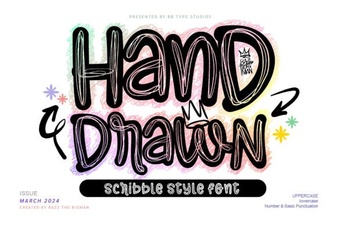 Creative Hand Drawn Fonts for Authentic Projects
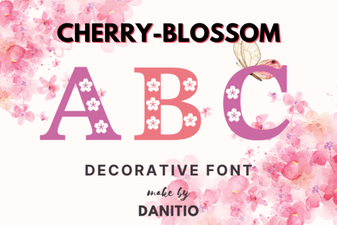 Cherry Blossom Fonts for Spring Design Projects
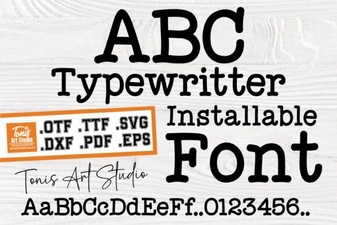 The Ab Typewriter Font: a Timeless Design Tool
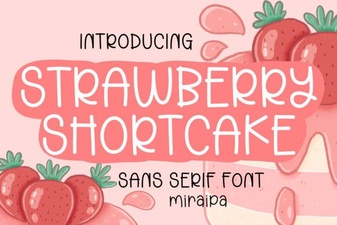 A Creative Guide to the Strawberry Shortcake Font
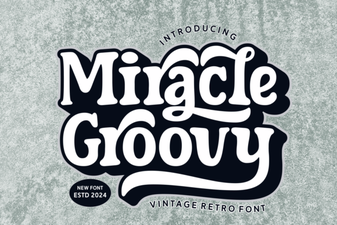 Miracle Groovy Font for Creative Design Projects
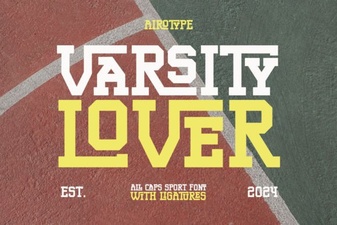 Unlock Your Creativity with the Varsity Lover Font