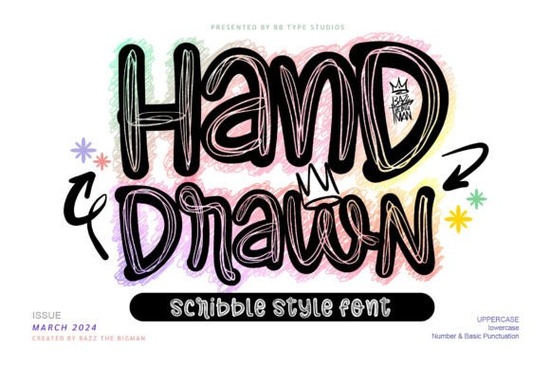
If you are looking for a typeface that feels personal, approachable, and effortlessly creative, the Hand Drawn Font delivers exactly that kind of casual energy. Instead of relying on rigid geometric shapes, this family uses loose lines and organic spacing to mimic actual pen strokes. You will notice how quickly it shifts the mood of a layout from corporate to warm, making it especially valuable when you want customers to feel like they are interacting with a real person rather than a brand algorithm.
What makes a hand-drawn typeface work best for kids’ projects?
Children respond to visual irregularity because it signals play rather than strict instruction. When letters wobble slightly or feature cross-outs and loops, they invite imagination instead of demanding attention. This particular style avoids heavy serifs or perfectly aligned baselines, which keeps reading comfortable for early learners while still maintaining clear legibility. If you are creating coloring books, classroom labels, or birthday party materials, the irregular structure prevents the page from feeling too polished or corporate. You can experiment with bright backgrounds, chunky stickers, or simple line art without worrying that the text will compete with the illustrations. The key is to let the typography remain the supporting voice while your graphics carry the main message.
Where can I use this playful lettering in my business?
Crafters and print-on-demand sellers often struggle to find fonts that translate well across different products. A typeface that looks great on a digital mockup might become unreadable when burned onto wood or printed on tote bags. Because this scribbled design maintains consistent stroke weight, it holds up nicely during manufacturing processes. You will see strong results on enamel pins, ceramic mugs, greeting cards, and fabric patches. Small business owners also appreciate how easily it adapts to seasonal campaigns. Swap out the color palette for spring pastels, summer neon, or autumn earth tones, and the same file works without losing its charm. It fits naturally into Etsy listings, Instagram promotions, and local market signs where a friendly tone matters more than formal presentation.
How do I pair it with other styles without cluttering the design?
Mixing a casual script with structured lettering requires a bit of restraint. When you combine loose handwriting with clean sans-serif or classic serif options, give each role a clear purpose. Let the playful type handle headlines or short phrases, then switch to a straightforward font for body copy and pricing details. This contrast creates visual hierarchy without confusing the eye. If you need similar decorative options, browsing resources like decorative script families helps you build cohesive sets before committing to a final layout. Keeping spacing generous around the irregular letters also prevents that crowded, chaotic appearance that happens when designers push text too close to edges or illustrations. Remember that negative space is just as important as the ink itself.
Which complementary typefaces enhance this scribbled look?
Finding the right partners means looking at weight and structure rather than matching the exact same vibe. A minimal geometric sans provides the stability needed to balance out loose strokes. For thematic variety, exploring categories dedicated to themed decorative alphabets gives you access to seasonal or niche alternatives that share that same artisanal quality. If your project leans toward rugged branding or vintage signage, checking out western-style display options shows how rough-hewn lettering can shift personality completely while staying equally readable. Testing three to five combinations side by side usually reveals which pairings actually work for your specific medium.
What should I check before licensing and downloading?
Purchasing a custom typefile requires a quick review of usage rights to avoid unexpected restrictions later. Always verify whether the license covers commercial merchandise, social media advertising, or both. Some creators offer separate tiers for personal sketches versus mass-produced items like apparel or packaging. Once you confirm those boundaries, download the full package including open-type features and alternate characters. Many scribbled families include swash variants or connected ligatures that save you manual editing time. Preview the alphabet against your typical color schemes and export formats to catch any rendering issues early. Keeping organized folders named by project type also streamlines future updates when you launch new collections.
Ready to start designing?
Building a library of reliable assets pays off long after the first project wraps up. Take advantage of preview tools to test kerning adjustments before committing to large prints. Keep a spare desktop folder stocked with backup variations so you never stall mid-workflow. If you want to explore the original family further, searching for Hand Drawn on the marketplace gives you direct access to updated versions, bonus bundles, and creator notes. Focus on consistency across your touchpoints, maintain clear separation between headline and detail text, and allow the organic lines to do what they were designed to do: bring a little unscripted warmth to every page you create.
- Verify commercial usage rights match your production scale before starting artwork
- Pair the playful headlines with a clean sans-serif for all secondary information
- Leave at least two character widths of padding around uneven letter edges
- Export proof files at full resolution and test print on your actual material
- Organize downloads by theme and season for faster future revisions
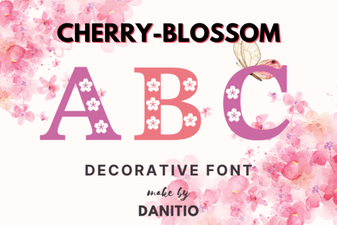 Cherry Blossom Fonts for Spring Design Projects
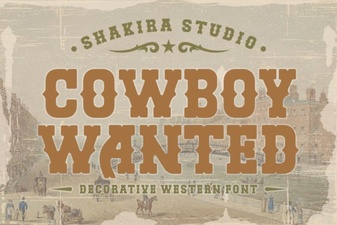 Cowboy Wanted Font Styles for Western Design Projects
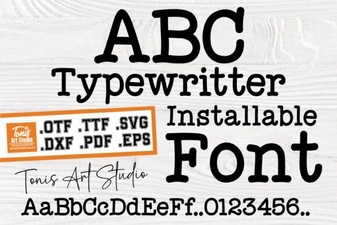 The Ab Typewriter Font: a Timeless Design Tool
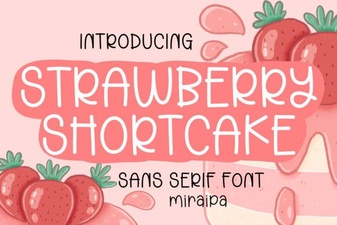 A Creative Guide to the Strawberry Shortcake Font
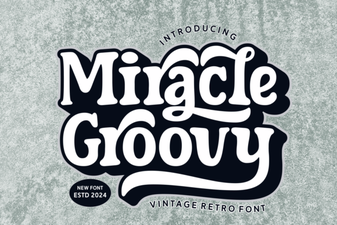 Miracle Groovy Font for Creative Design Projects
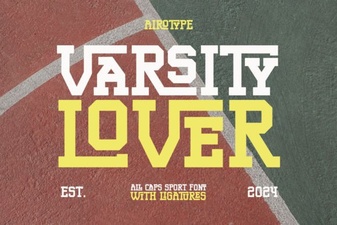 Unlock Your Creativity with the Varsity Lover Font