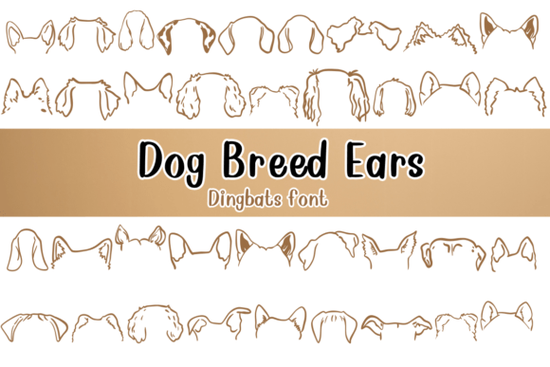
If you need instant visual charm without heavy illustration work, a Dog Breed Ears Font gives you exactly that. Instead of drawing individual puppy silhouettes, this typeface swaps standard letters for adorable ear shapes tied to different breeds. You simply type your message and watch it transform into a series of playful, recognizable kennel graphics. Designers, crafters, print-on-demand sellers, and small business owners lean toward this kind of typography because it saves time while delivering a custom look. You get consistent spacing, predictable kerning, and a ready-to-use asset that fits neatly into existing design workflows. Whether you operate in the {category} sector or run a general craft shop, swapping in a fun glyph system keeps your creative process smooth and efficient.
Why do creators pick dingbat-style lettering for animal themes?
Glyph-heavy typefaces replace traditional strokes with simple icons, making them ideal for niche markets like handmade accessories. When you layer these characters over textures or place them on curved surfaces, they read clearly without getting lost in busy backgrounds. Small studios benefit from the compact file sizes, which load quickly across design programs and export cleanly to vector tools. Hobbyists appreciate how the uniform height keeps multi-word phrases aligned, so slogans stay balanced on tote bags or enamel pins. Because each character maps to a specific breed graphic, you can mix and match tones to match seasonal trends without breaking consistency.
These systems pair well with minimal color schemes. A single ink color often produces a striking result, which reduces printing costs and simplifies production runs. Print-on-demand platforms handle them reliably since the outlines convert to crisp edges rather than fading bitmap details. When you browse alternative dingbat collections, you notice how standardized sizing prevents awkward gaps between words. That predictable structure makes it easier to draft packaging labels, track stickers, or digital badges without spending hours adjusting baseline positions.
Where can you apply these playful symbols in actual projects?
Pet-related merchandising moves fast, and having a reliable type library helps you turn ideas into listings quickly. You can combine the glyphs with clean sans-serif text to create layered posters for local rescue events or fundraising campaigns. Crafters often stamp the outlines onto wood slices or use them as cutting guides for vinyl decals. Social media managers resize the characters into profile frames or event banners where readability matters more than decorative flourishes. When you build brand kits, keeping one of these typefaces alongside neutral headers creates visual hierarchy without overwhelming buyers.
For apparel and home decor, the characters scale cleanly across different materials. Screen printers report fewer registration issues because the shapes contain fewer fine lines than detailed illustrations. Sublimation workflows benefit from the solid fills, which transfer evenly across polyester fabrics and ceramic blanks. Leaving the background exposed often highlights the ear shapes better than adding heavy shadows. You can preview your layouts by placing the glyphs over fabric swatches or mockup templates before committing to bulk production.
If you want to explore other options from the same creator, checking out Dog Breed Ears Font reveals additional stylistic variations and related bundles. Many crafters download the full pack so they can swap between floppy, prick, and button ear types when designing mixed-breed collections. Having multiple versions on hand helps you match the tone of specific marketing campaigns without searching through separate libraries.
What details matter most before you start printing?
Licensing terms dictate how far you can push the characters into commercial items. Most packages allow unlimited personal projects and grant reasonable rights for finished goods sold on third-party stores. Always verify whether you can modify the baseline paths or merge them into monograms. Some sellers restrict redistributing the raw files, which means exporting your final artwork as flattened layers becomes necessary. Testing prints at reduced scales also reveals how thin connections hold up during regular washing.
File compatibility plays a role too. Modern design suites import these typefaces smoothly, but older software might require manual substitution steps. Converting text to outlines before sending files to manufacturers prevents missing glyph errors. Keeping a master template with locked gridlines ensures your merchandise stays consistent across seasons. When you maintain organized folders and label exported assets clearly, restocking popular items takes minutes instead of hours.
Quick pre-production checklist for glyph-based designs:
- Confirm commercial usage rights match your intended sales channels
- Outline text paths to lock in character shapes before final export
- Test print at actual size to check line thickness and bleed margins
- Match ear orientation to your layout flow for cleaner sightlines
- Save layered source files alongside flattened production versions
Start with one core product category, run a small test batch, and track buyer feedback before expanding your inventory. Adjust colors, tweak spacing, and iterate until your listings feel polished and ready to ship.
Explore Design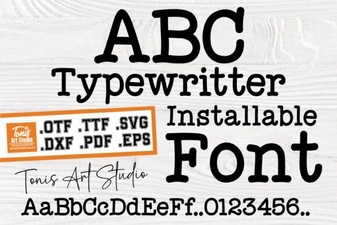 The Ab Typewriter Font: a Timeless Design Tool
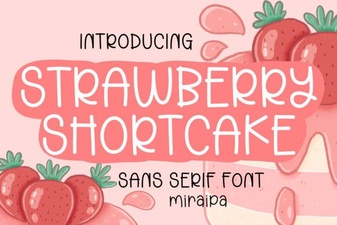 A Creative Guide to the Strawberry Shortcake Font
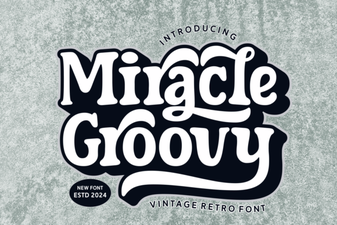 Miracle Groovy Font for Creative Design Projects
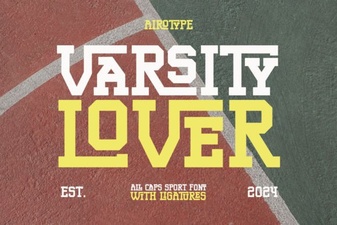 Unlock Your Creativity with the Varsity Lover Font
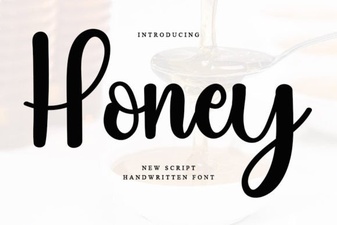 Honey Font: Sweet Design Typography for Modern Projects
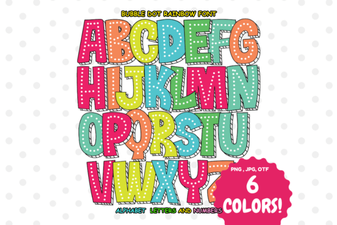 Craft with Bubble Dot Rainbow Fonts