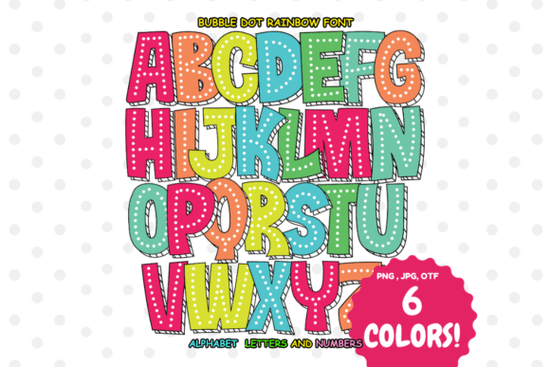
If you want to instantly add movement to your typography, the Bubble Dot Rainbow Font offers a straightforward solution for designers, crafters, and print-on-demand sellers. Instead of layering multiple elements or manually shading each character, this OpenType-SVG file lets you pick colors directly from your software panel. Every glyph carries its own glossy texture and gradient arc. It works immediately in Photoshop and Illustrator, saving hours of graphic work.
Why choose an OpenType-SVG lettering style over standard outlines?
Traditional typefaces require constant tracing to achieve depth. OpenType-SVG technology embeds vector graphics straight into each character code. When you type, the application applies built-in highlights automatically. Your text looks polished whether scaled for a large banner or shrunk for a social thumbnail. Independent shops prefer this format because it reduces rendering errors and keeps production files manageable during batch exports.
Which programs support this specific layout?
You will find full functionality in Adobe Photoshop and Illustrator. Both programs recognize the embedded SVG data and give you control over the hue and contrast of each bubble segment. Cutting machines like Cricut Design Space and Silhouette Studio do not read these files correctly. Open-source editors such as Inkscape face the same limitation. Projects requiring vinyl cutting need traced vectors or plain OTF versions instead. Verifying your target software before purchasing avoids compatibility delays.
How can small creators apply it to commercial work?
Digital planners, printable stickers, and party stationery benefit greatly from this playful structure. A birthday invitation becomes more engaging when the age number features soft pastel arcs instead of flat strokes. Print-on-demand sellers can place the lettering on mugs or tote bags without worrying about inconsistent coloring across different screens. Since the gradients remain baked into the vector shape, the colors stay uniform whether viewed digitally or printed. Marketplace vendors frequently use similar cheerful assets to boost listing visibility.
What distinguishes this alphabet from other decorative styles?
Readability and ornamentation separate strong assets from cluttered ones. Rounded terminals hide sharp corners, and generous spacing keeps characters easy to scan. Paired with simple sans-serifs, the headline commands attention without overwhelming the layout. It pairs well with bold summer shapes on seasonal lettering packs or metallic textures at finish series hubs. These options serve different moods but share the principle of using color for visual weight.
Can I modify the shapes to match a specific brand identity?
You retain full flexibility to shift tones and adjust contrast levels. In your vector program, simply highlight the typed word and open the fill dropdown. You can swap the default peach and teal arcs for deep burgundy to suit a professional workshop, or keep the bright candy shades for a children’s activity kit. The SVG masks respect transparency settings, so adding a subtle outer glow remains straightforward. Browse the central showcase page at this dedicated asset hub to see preview mockups before committing.
How do I combine it with complementary scripts for mixed media layouts?
Mixing a structured bubbly alphabet with flowing handwritten touches creates natural visual rhythm. Try placing a short greeting in this playful typeface above a cursive signature line. The contrast in stroke weight guides the eye smoothly from the header down to the finer details. Stationery creators frequently pair it with minimal geometric frames to ground the composition. Hunting for matching loose lettering leads you to sketch-style releases with compatible spacing patterns. Exploring rounded novelty sets helps maintain consistency across multi-word phrases. Testing these combinations in a fresh document saves revision time.
What practical steps ensure smooth production?
Before launching your next campaign, run through this quick preparation list to guarantee clean outputs:
- Verify your software version supports OpenType-SVG color fonts.
- Create a test paragraph to check contrast ratios against your background template.
- Export a low-resolution preview to confirm scaling behavior on mobile screens.
- Save your original layered file for future color swaps.
- Back up your custom swatch library before starting batch generation.
Keeping these steps organized prevents last-minute formatting issues. For advanced troubleshooting regarding SVG color profiles, reviewing the official documentation for the Bubble Dot Rainbow Font provides clear installation steps. Stick to this workflow and your typography will stay sharp across every project.
Explore Design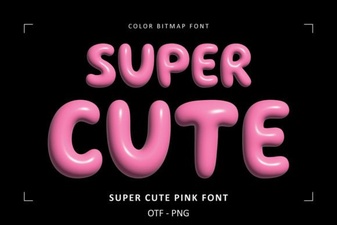 Stylish Fonts for Creative Projects
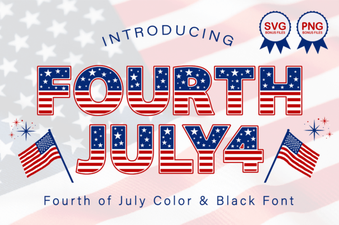 Patriotic Fourth July Font Designs & Free Downloads
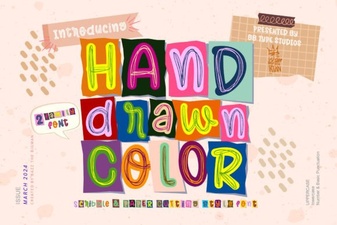 Add Creativity with Hand Drawn Color Fonts
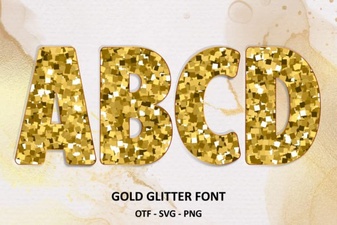 Sparkle Your Designs with Glitter Gold Fonts
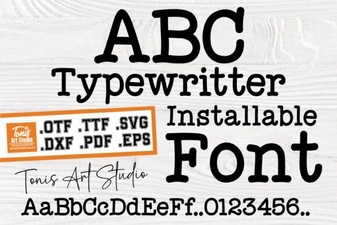 The Ab Typewriter Font: a Timeless Design Tool
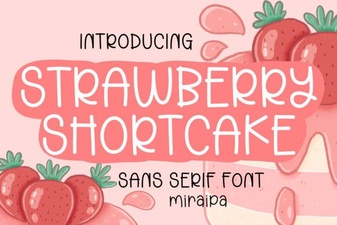 A Creative Guide to the Strawberry Shortcake Font