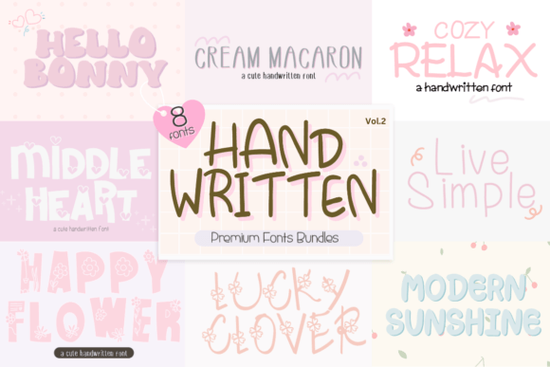
When you need personal touches on commercial products without spending hours customizing letterforms, a Handwritten Bundle Font provides exactly that. The collection brings together a group of modern and minimalist typefaces designed for quick integration into everyday creative workflows. Instead of searching through dozens of disconnected files, you get a matched set that keeps your visual voice consistent across multiple deliverables. This approach saves time while still delivering the organic warmth that clients and customers respond to.
What actually makes these handwritten styles worth adding?
Most designers reach for script packages when they want human texture without sacrificing structure. These typefaces lean toward clean lines and open apertures, which means they stay legible even at smaller sizes or when wrapped around curved surfaces. You will notice how the weights balance each other, keeping heavy headlines from fighting light accent text. That deliberate simplicity works especially well when you are designing packaging, business cards, or digital ads where clutter kills conversions. The lack of overly decorative swashes also reduces file bloat, making rendering faster in both Adobe applications and free design tools.
How do you apply these fonts without breaking readability?
Readable script requires intentional spacing. Tight character combinations often collapse into blobs when printed on dark backgrounds or stretched across wide banners. Start by setting generous tracking in your layout grid, then place line breaks exactly where natural speech would pause. Pairing works differently too. Since these letters already carry personality, stick to solid geometric sans-serifs or low-slab serifs for supporting body copy. Avoid stacking two script families on the same canvas unless one acts strictly as a thin accent mark. When preparing files for print-on-demand vendors, always convert outlines to prevent stroke fragmentation during scaling.
Which layouts handle script characters best?
- Event invitations and greeting cards: Center alignment with ample white space lets curves breathe.
- Social media quote graphics: High-contrast backgrounds paired with medium-weight variants ensure mobile visibility.
- Brand logos and monograms: Bold strokes combined with negative space create memorable emblems.
- Product labels and stickers: Horizontal placement respects package edges and avoids awkward wrapping.
These formats share one trait: they give lettering room to perform without competing elements stealing focus. Test proofs on mockups before finalizing, then zoom out to thumbnail size. If the main message reads clearly at that scale, the typographic hierarchy works correctly.
Where should you look next if you want different handwriting vibes?
Broad collections rarely cover every niche perfectly, so expanding your toolkit with complementary releases makes sense. If you prefer slightly rugged brush textures for lifestyle branding, checking out Lemon Cake Homemade Duo often fills that gap. For smoother, flowing cursive that pairs nicely with floral motifs, exploring Honey gives you softer ligatures without losing structure. Crafters who build stationery sets sometimes gravitate toward Madelyn because its casual slant feels approachable yet polished. Meanwhile, entrepreneurs designing rustic merchandise might find Whiskey matches their earthy color palettes better. If you regularly work with vintage-inspired packaging, reviewing Westfalia adds another reliable layer to your archive. Each release targets slightly different mood boards, but all maintain professional kerning standards that reduce manual adjustment time.
What technical details matter before you install?
Licensing terms dictate whether you can scale assets for client deliverables without triggering compliance flags. Always verify usage rights for commercial printing versus digital subscriptions. Most modern marketplaces separate personal and commercial tiers, so confirm your account level matches your project scope. Testing new typefaces in your primary application reveals hidden issues like missing diacritics or broken alternate glyphs. Create a simple sample sheet showing caps, lowercase, numbers, and punctuation at ten-point increments. If the character shapes align evenly across rows, you have a stable install. For broader industry benchmarks on typography performance, designers often consult resources like Handwritten Script, though checking platform documentation remains quicker for format-specific queries.
Quick preparation checklist:
- Download fonts in OTF or TTF format depending on your software version.
- Install through your operating system’s dedicated font manager rather than dragging files manually.
- Open a blank document and set a baseline grid to measure leading against line height.
- Export test prints on your actual substrate material to catch ink spread or dot gain.
- Backup exported designs in layered and flattened versions before handing off to printers.
Following these steps cuts down revision cycles and keeps your creative pipeline moving smoothly. Adjust tracking values incrementally, trust whitespace, and let the letterforms speak without overcomplicating the layout.
Learn More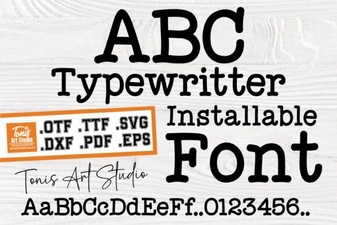 The Ab Typewriter Font: a Timeless Design Tool
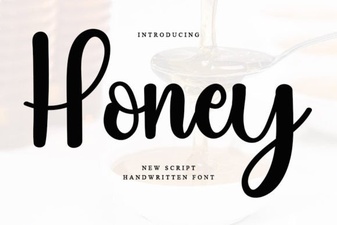 Honey Font: Sweet Design Typography for Modern Projects
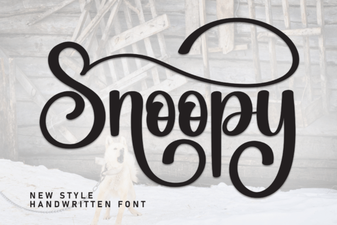 Craft Your Project with the Snoopy Font Style
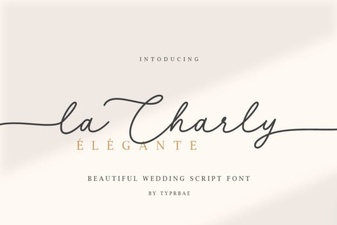 La Charly Font: Design Tips & Creative Projects
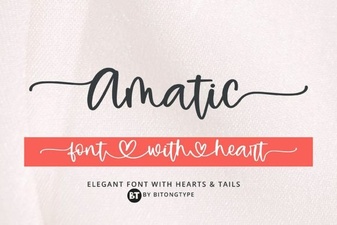 Amatic Sc: Bold & Elegant Handwritten Font Designs
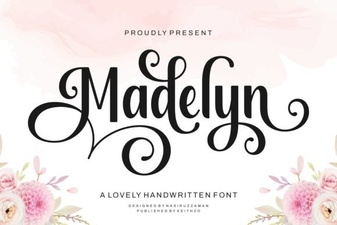 Madelyn Font: Modern Style for Creative Projects